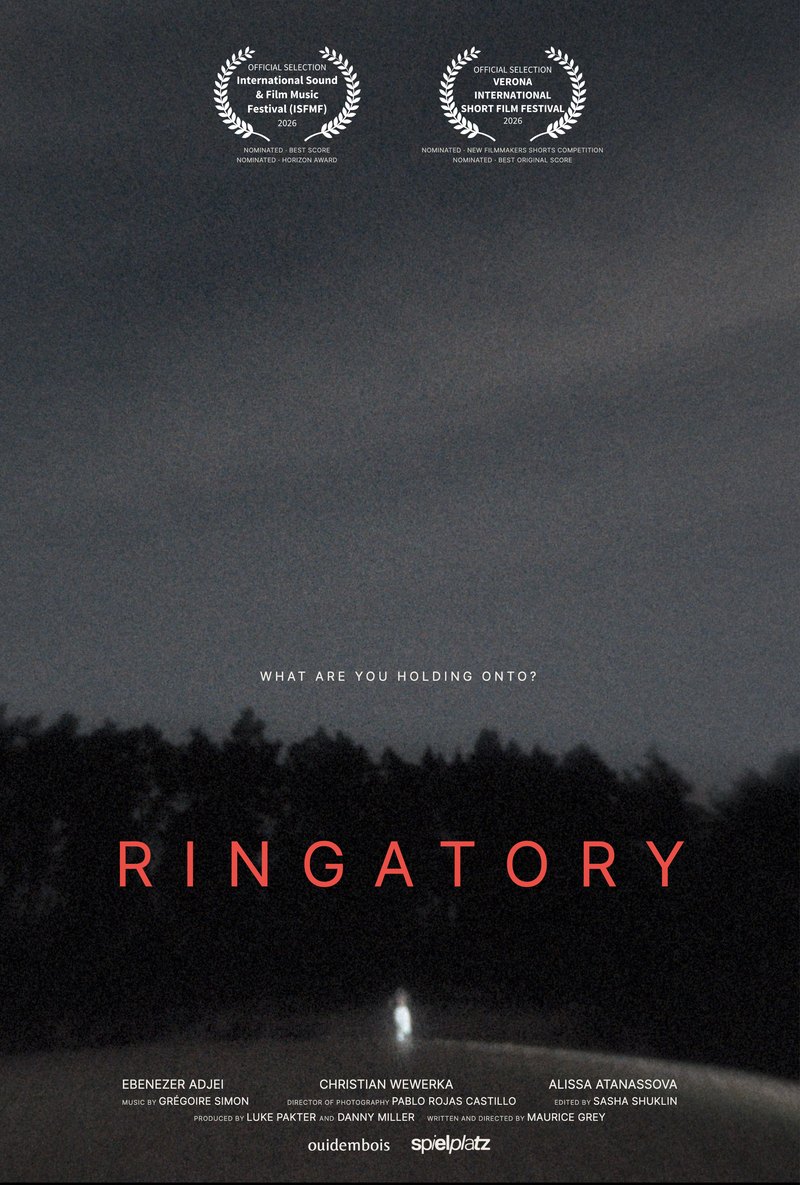
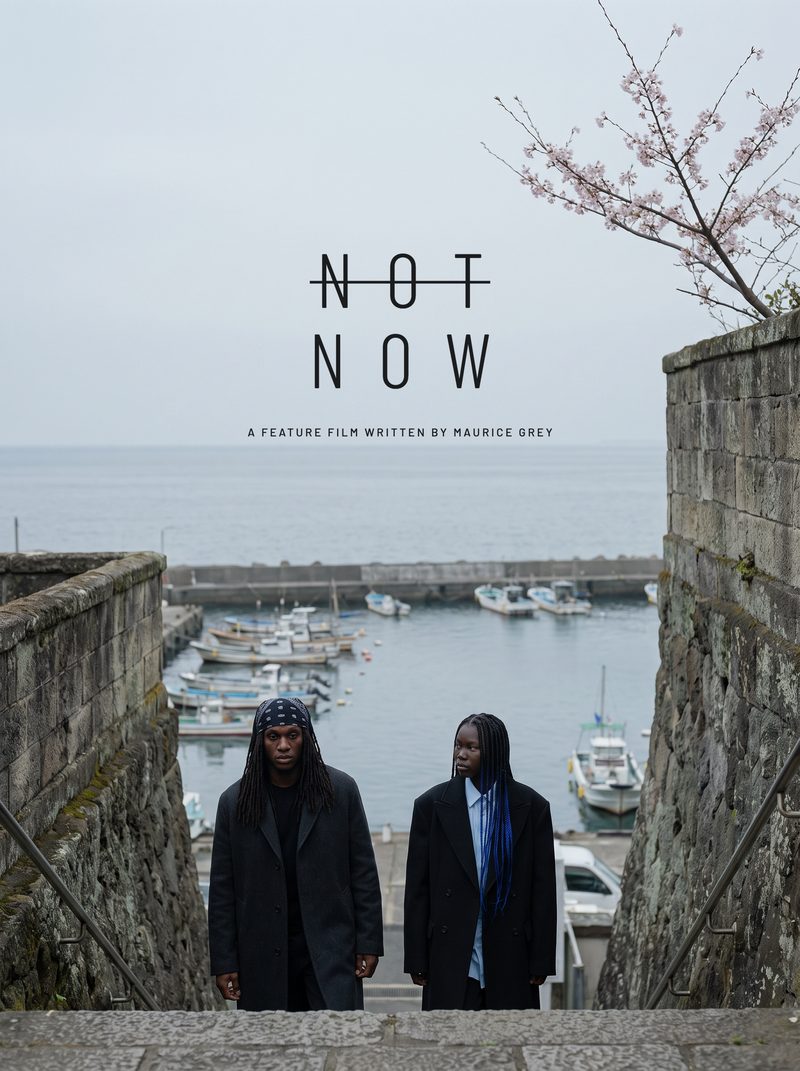
1. Optimistic, especially when the situation gives no reason to be.
2. Of blood. Blood-red.
From the Latin sanguis, blood.Feature film · In development
The Firm meets Get Out
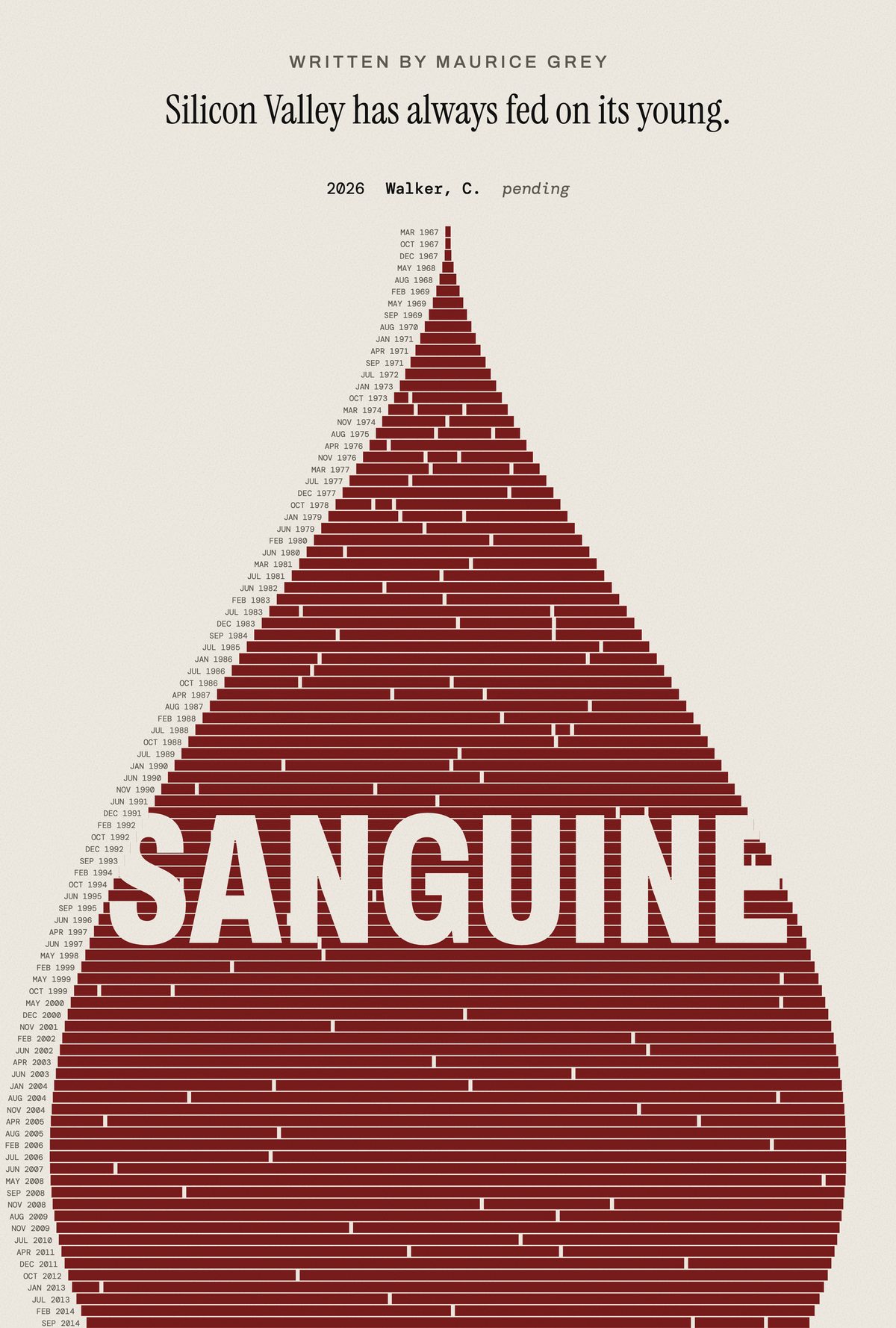
To save the house his aunt raised him in, a young founder signs with Silicon Valley’s most exclusive accelerator, and learns the program has been harvesting its founders on a lunar schedule since 1967. He can’t escape it and he can’t expose it. The one thing the paperwork allows is refusal.
 (opens in a new tab)
The monster in this film is an accelerator.
Crestarr Labs is the most coveted accelerator in Silicon Valley. Founders would do almost anything to get in. It offers capital, prestige, a room on the fourth floor, a wellness ring, a pledge, and a consent packet nobody reads past page two.
Crestarr harvests their vitality, measures it through their rings, draws it on a lunar schedule, and transfers it into other bodies. The program has operated this way since 1967. Inside Crestarr, they call it gardening.
The system works because everyone consents, and Crestarr can’t take what isn’t given. Chris’s only weapon is a notarized refusal.
The company calls it gardening. Chris’s family calls it love.
1. Optimistic, especially when the situation gives no reason to be.
2. Of blood. Blood-red.
From the Latin sanguis, blood.Mood images, not from the film.

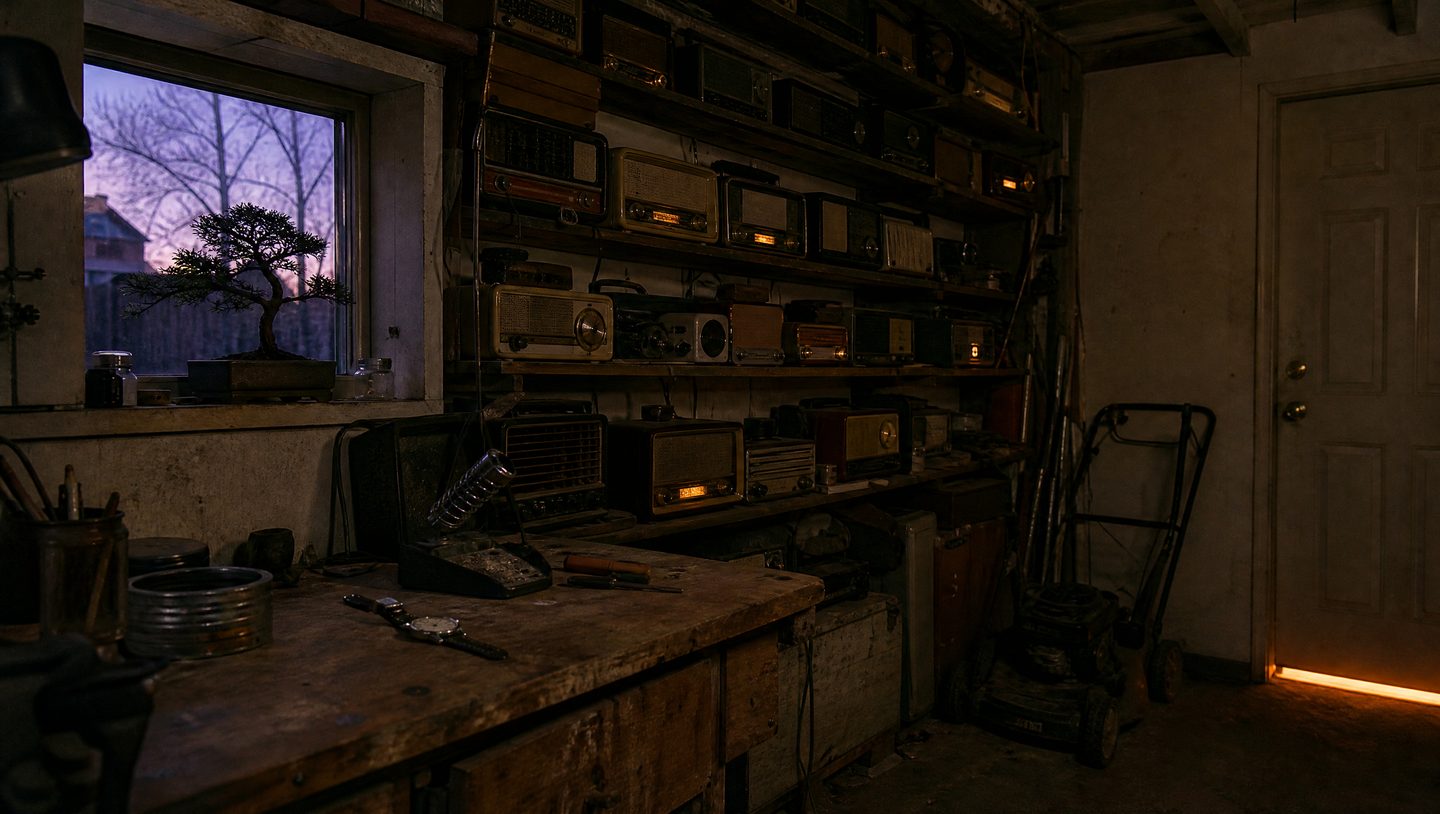
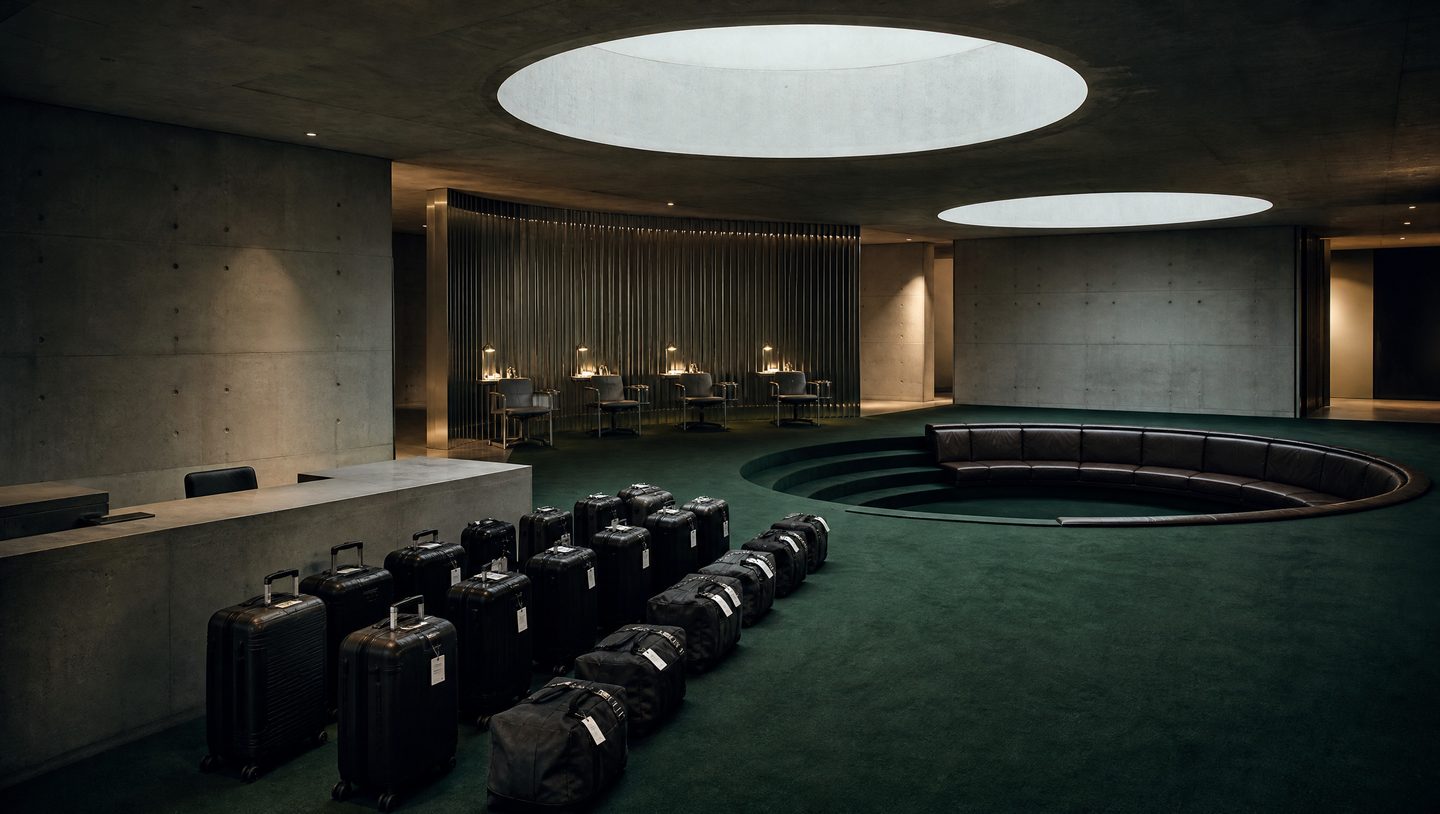
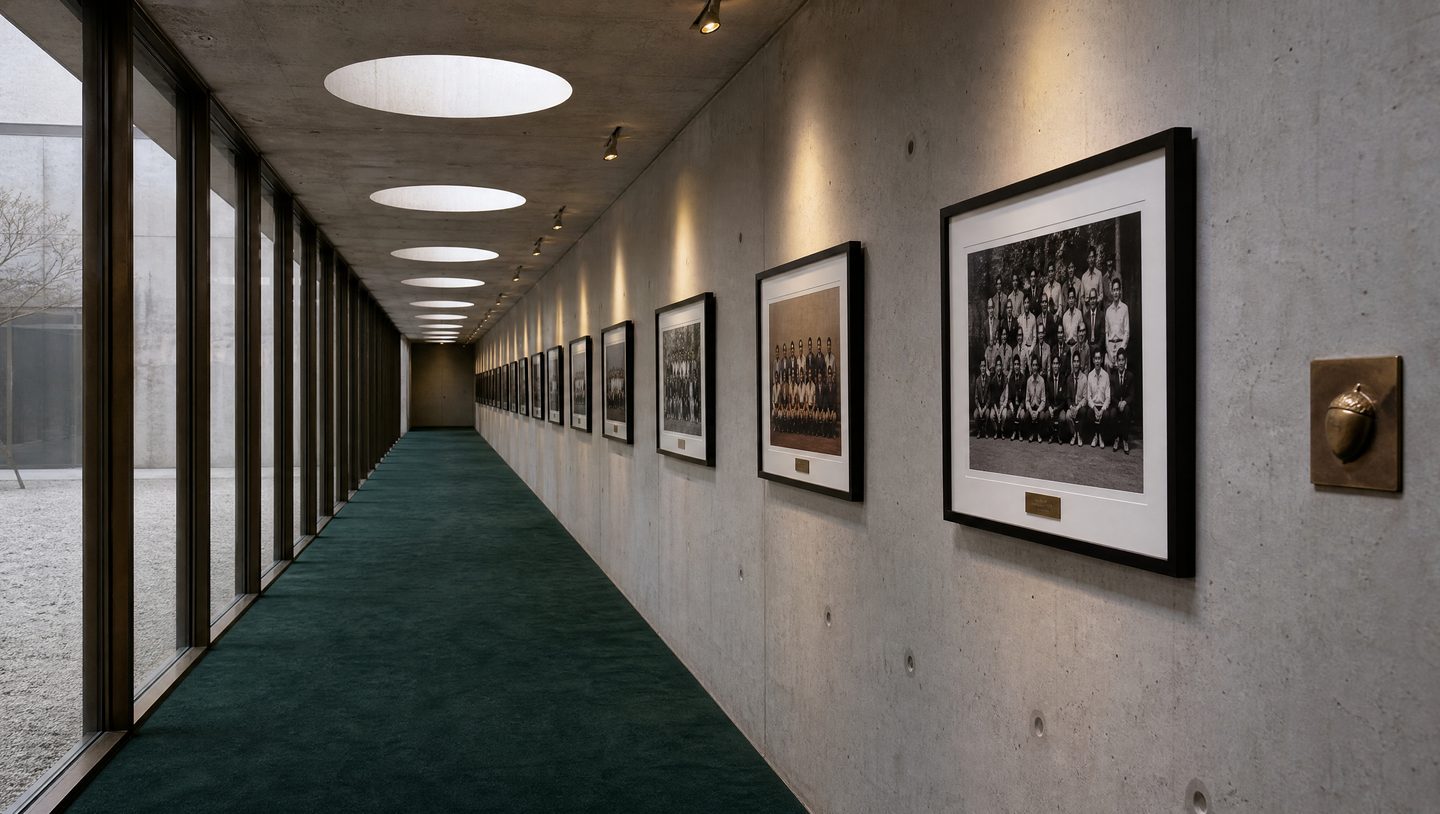
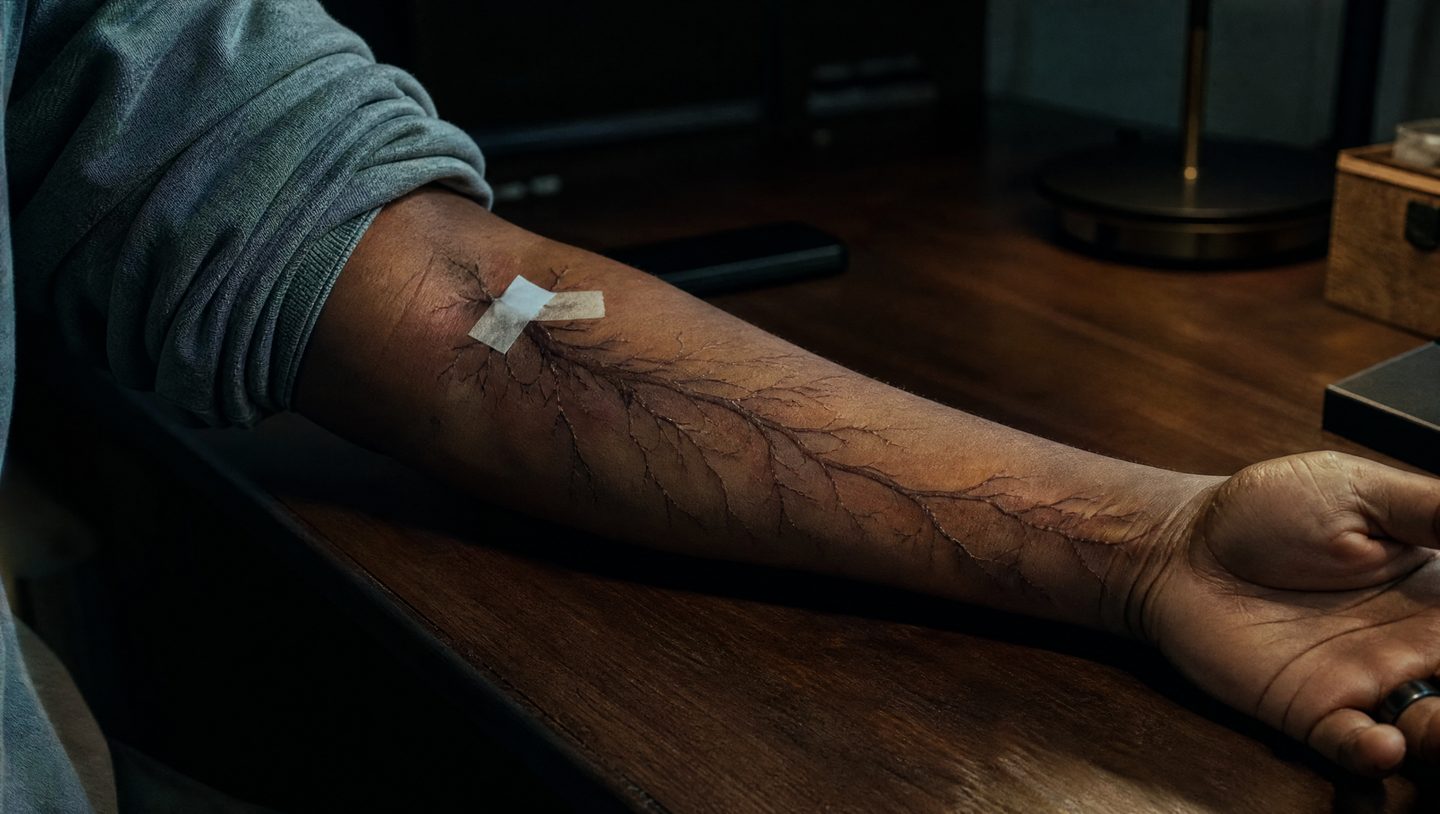
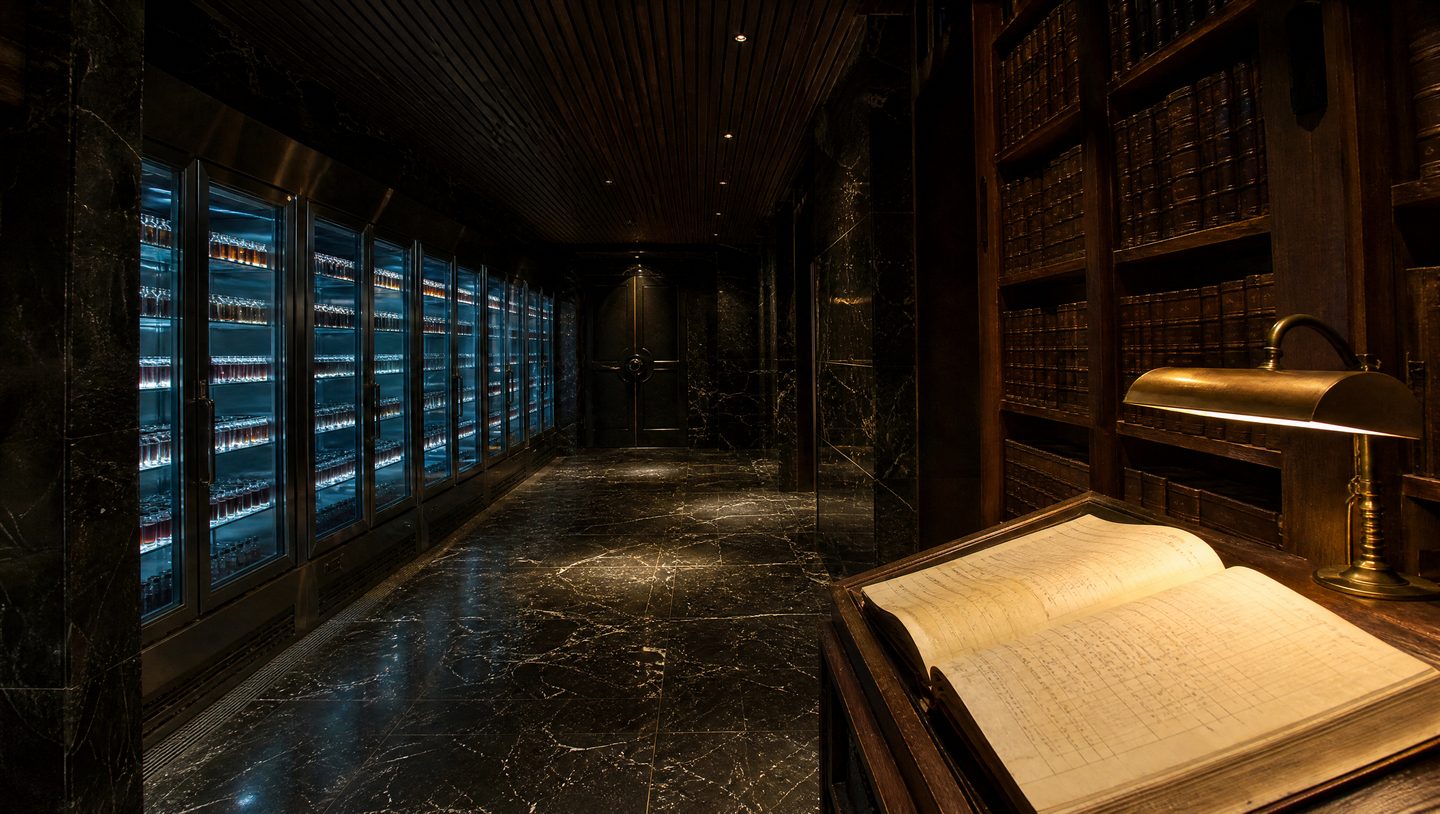

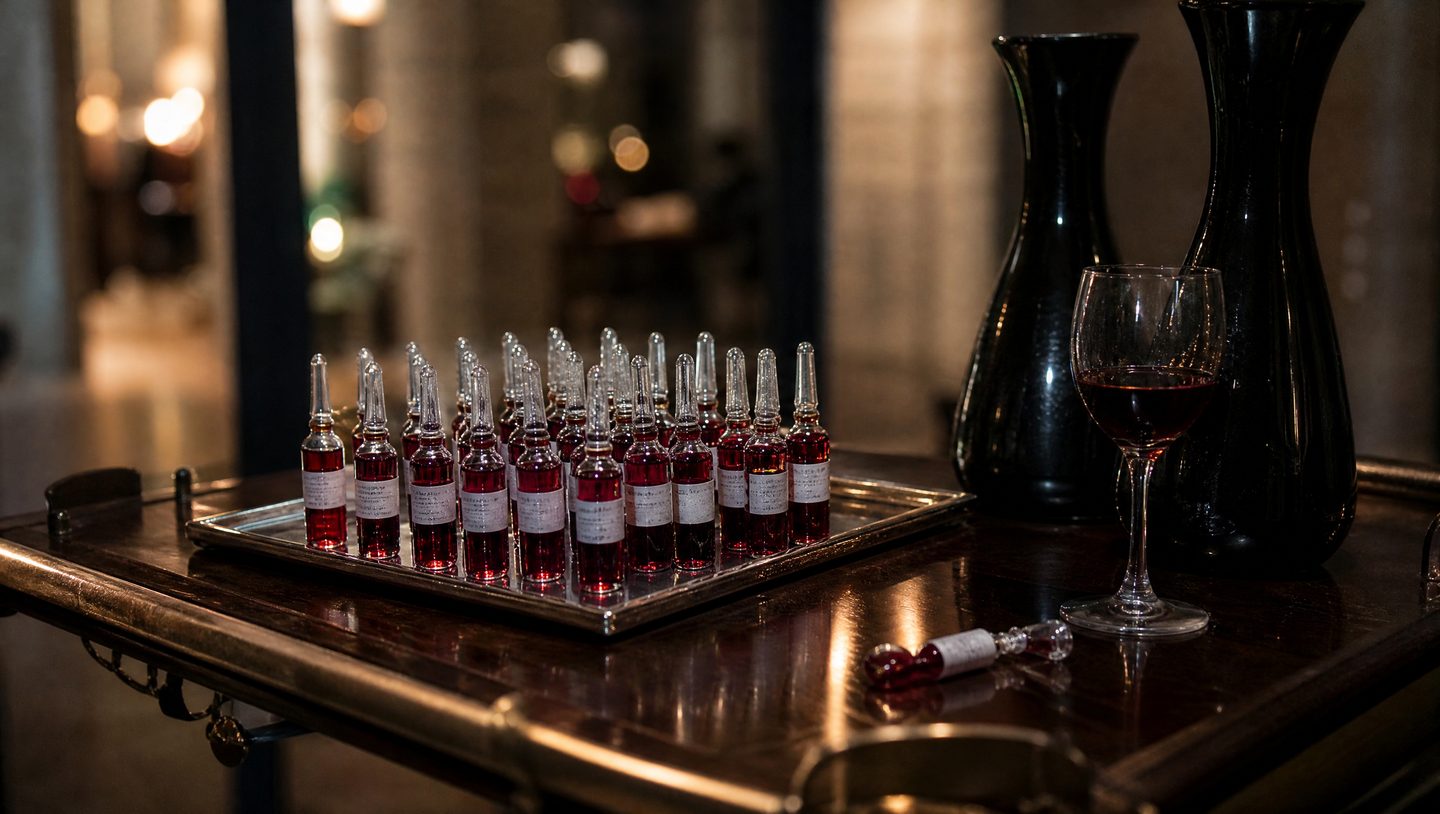
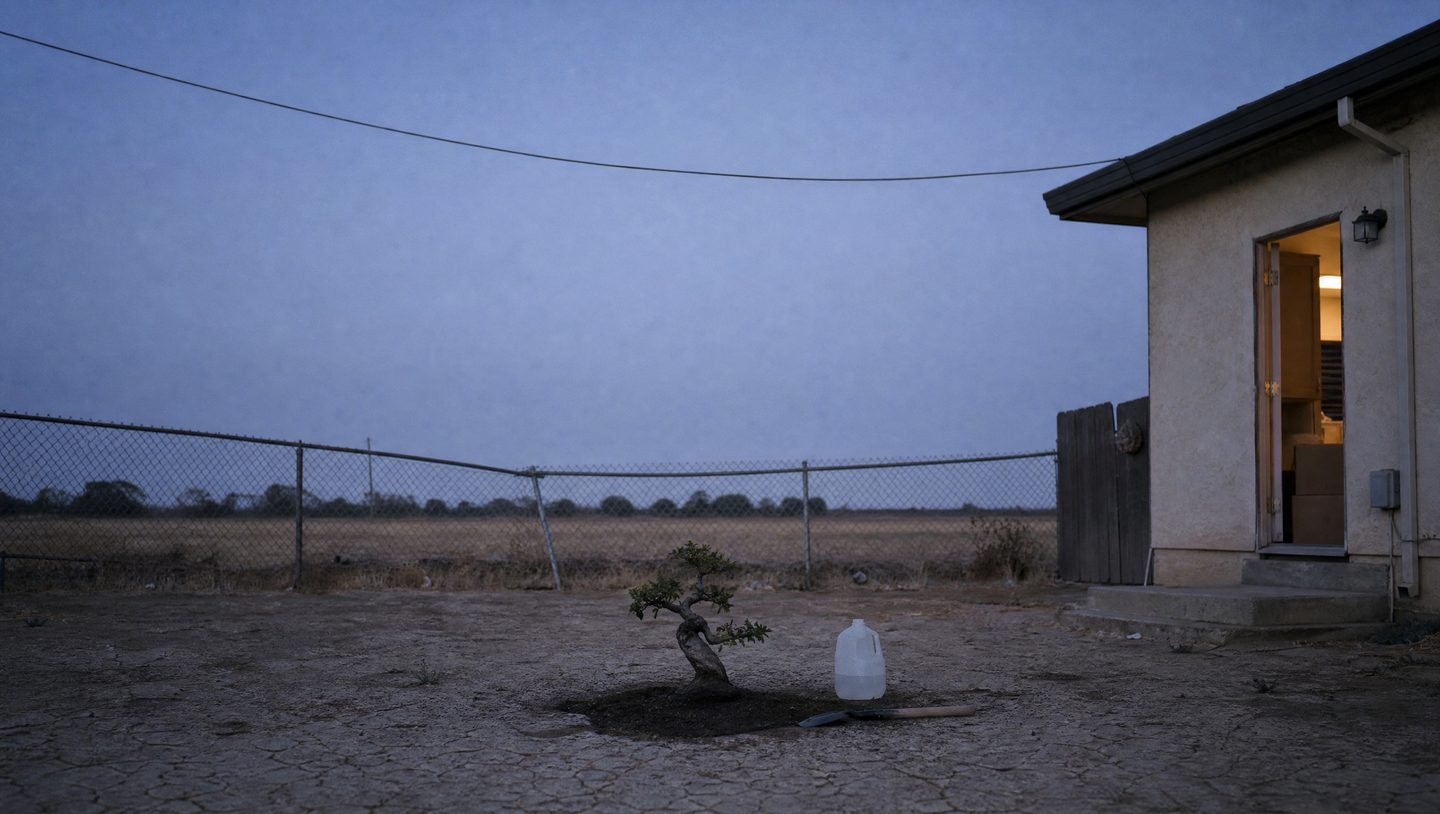
Every draw is scheduled, logged and signed for.
A health-tech founder from Queens, raised by an uncle who fixed things and an aunt who prayed over them. Most of the role is a man deciding, silently, how much of himself to hand over.
Al’s protégé, once the founder nobody funded, and what Chris looks like three batches from now.
Crestarr’s co-founder and the most candid man in the building. He never raises his voice, never lies, and wins.
There are no vampires in this film.
The film draws on a documented history of Europeans consuming African bodies, and moves it into an industry that sells vitality with a consent form.
For about six hundred years, European apothecaries sold powder made from bodies taken out of North African tombs as a cure for bleeding, bruising and epilepsy.
The starving crew of the sloop Peggy drew lots and ate Bob, an enslaved man. When the next lot fell on a white sailor, they waited, and were rescued the next day.
Captives from the Portuguese slave ship Arrogante testified under oath that the crew killed a man who rebelled, forced the others to eat him, and ate his heart and liver themselves.
Sugg 2011 · Harrison 1766 · Barcia 2022
I have buried a company. Anyone who has done it will tell you it feels like a funeral, which is why this film opens with one.
I have spent nearly two decades inside the world Sanguine is about. I’ve been a founder, an employee, and an investor. I know the language, the incentives, the rituals, and the people who move this industry.
The industry depends on founders. Their ideas, their intelligence, their creativity, their relationships, and their intellectual property become companies, investments, and digital assets that can be owned, distributed, and made to compound in value. Sanguine takes that process and makes it literal.
Crestarr draws its founders on a schedule, with a form. I wanted that process to feel familiar. The paperwork is familiar. The incentives are familiar. The logic is familiar. The supernatural element is the part we can see.
I want the audience to leave with the feeling of having refused something themselves. That feeling is quieter than winning.
And it lasts a lot longer.
Maurice Grey, writer