Feature film · In development

Not Now

Past Lives meets Perfect Days

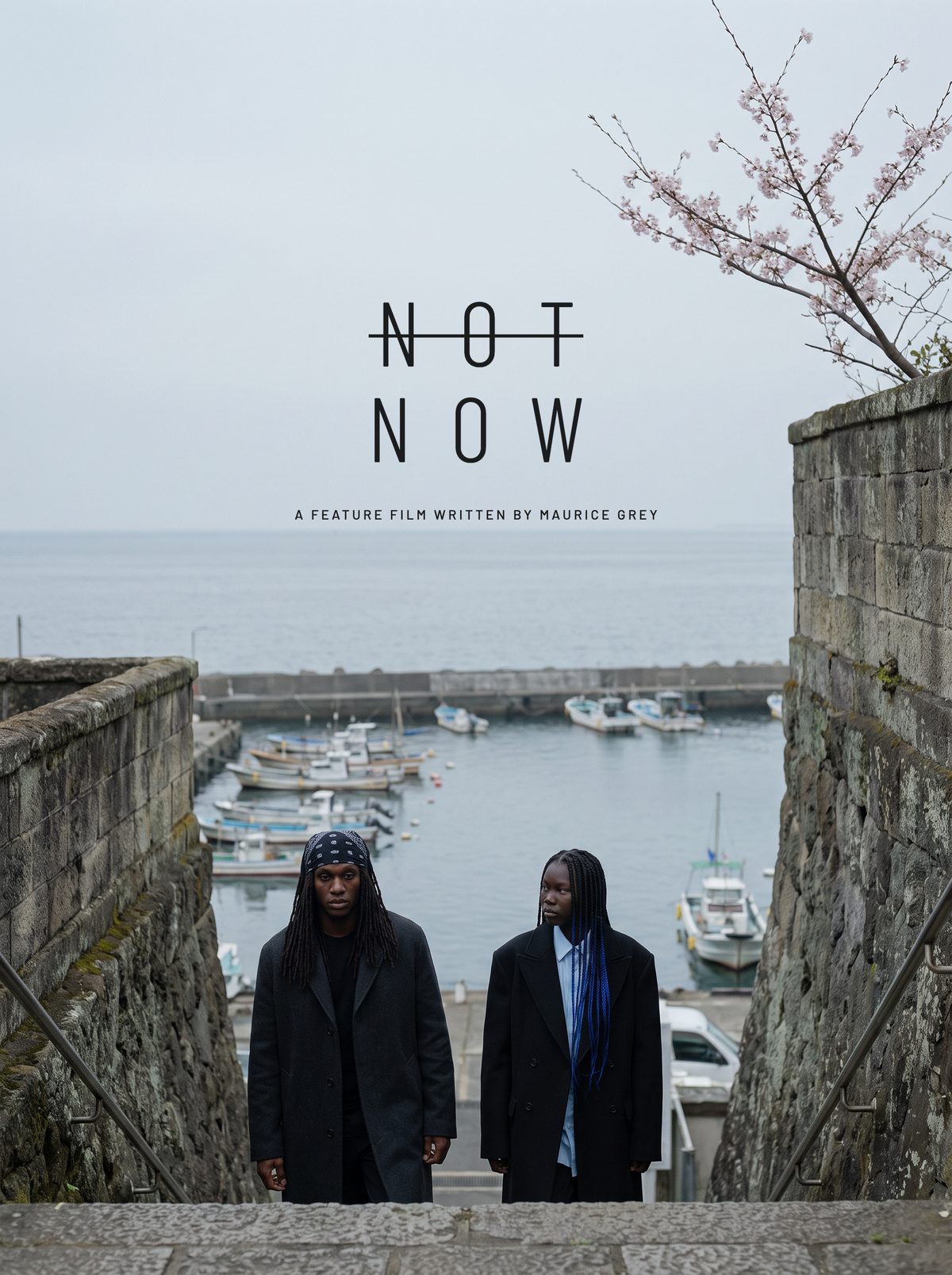
Not Now poster. Two people in long dark coats stand at the top of stone steps above a Japanese harbour, cherry blossom overhead. A feature film written by Maurice Grey.

Every winter Xavier flies to Japan from Berlin, and every spring he leaves before the cherry trees bloom. Over four winters, he and Aisha have to decide whether a life can be built out of the months you can afford.

Format
Feature film, drama and romance, about 105 minutes
Languages
English, Japanese and German
Set in
Berlin, Tokyo, Yokohama and the Izu coast
Script
Finished, 87 pages
Written by
Maurice Grey
Director
Open
Producer
Danny Miller, ouidembois
Japanese production partner
cogitoworks
Shooting
Spring 2027, Tokyo and Ito
Financing
Underway
Looking for
A director, financing, sales and distribution

The film

This is a love story told only in the winters.

Two American expats, one in Berlin and one on the Japanese coast, who can only exist in each other’s presence. For three months a year they are in the same country. For the other nine they are not quite anything. Both of them run on the same clock. There is now, and there is not-now, and not-now does not exist.

So the film is built the way they experience time. It shows the winters and cuts the years. It cuts away from every goodbye before the door opens. It never shows a decision being made. It never shows a phone screen. The audience arrives after the event, every time, and fills the gaps the way you fill a gap, with everything you are afraid of and everything you want.
The world

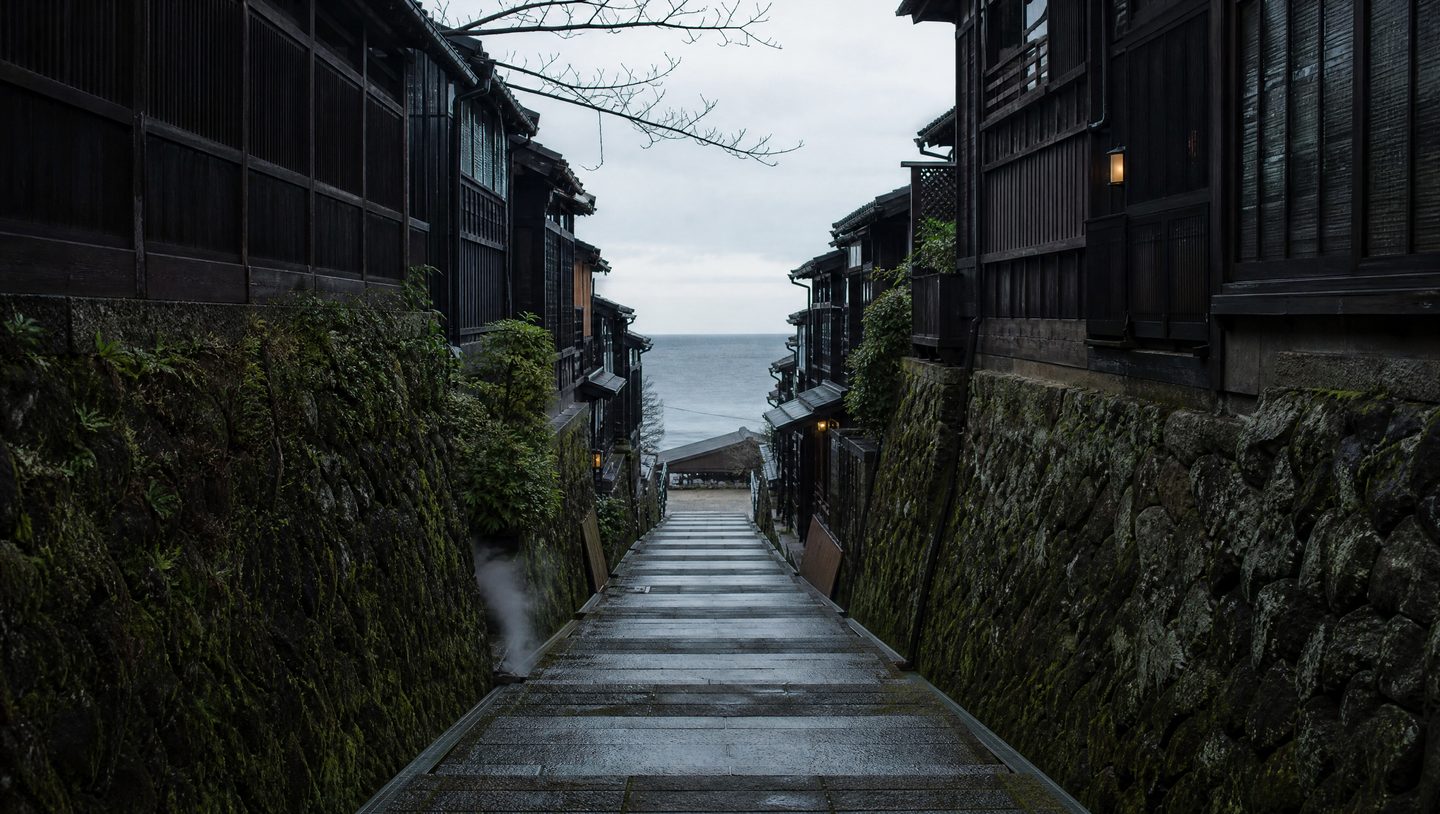
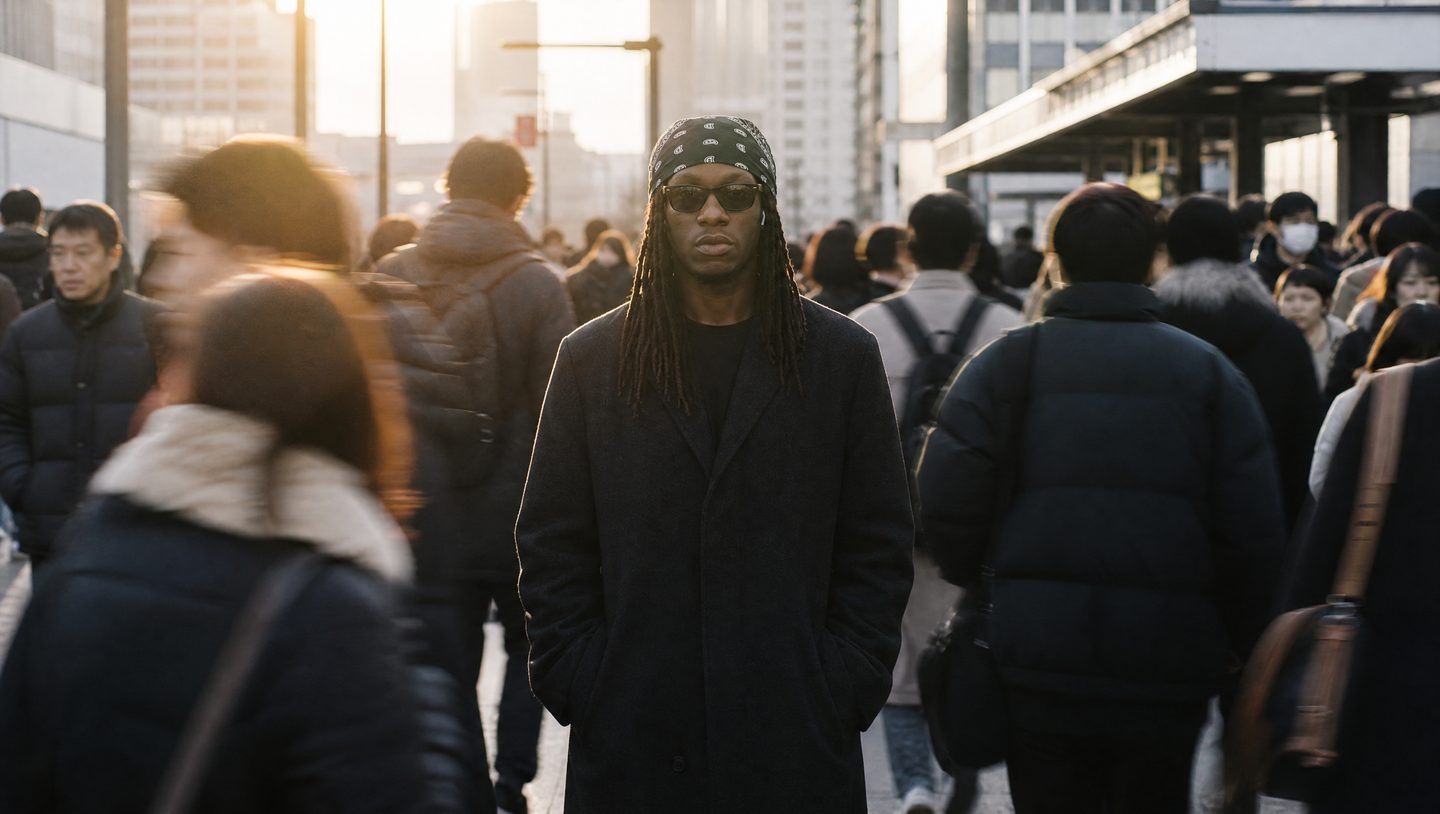
Mood images, not from the film.

Stone steps run down between dark wooden houses and mossy walls to a grey sea.
A man in a long dark coat, sunglasses and a bandana stands still in a Tokyo crowd that blurs past him.
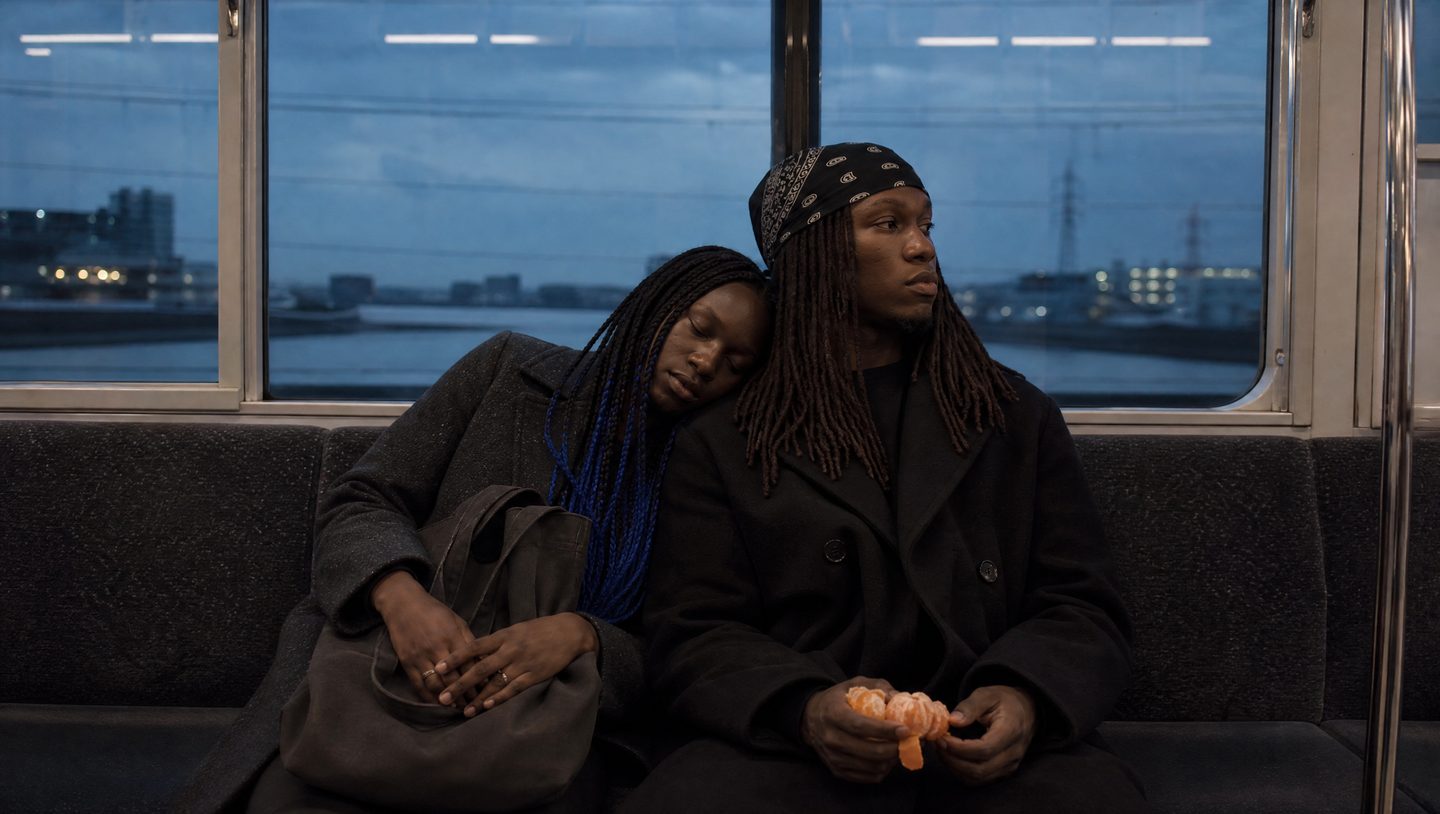
On a train at dusk, a woman with blue braids sleeps on the shoulder of a man peeling a mandarin.
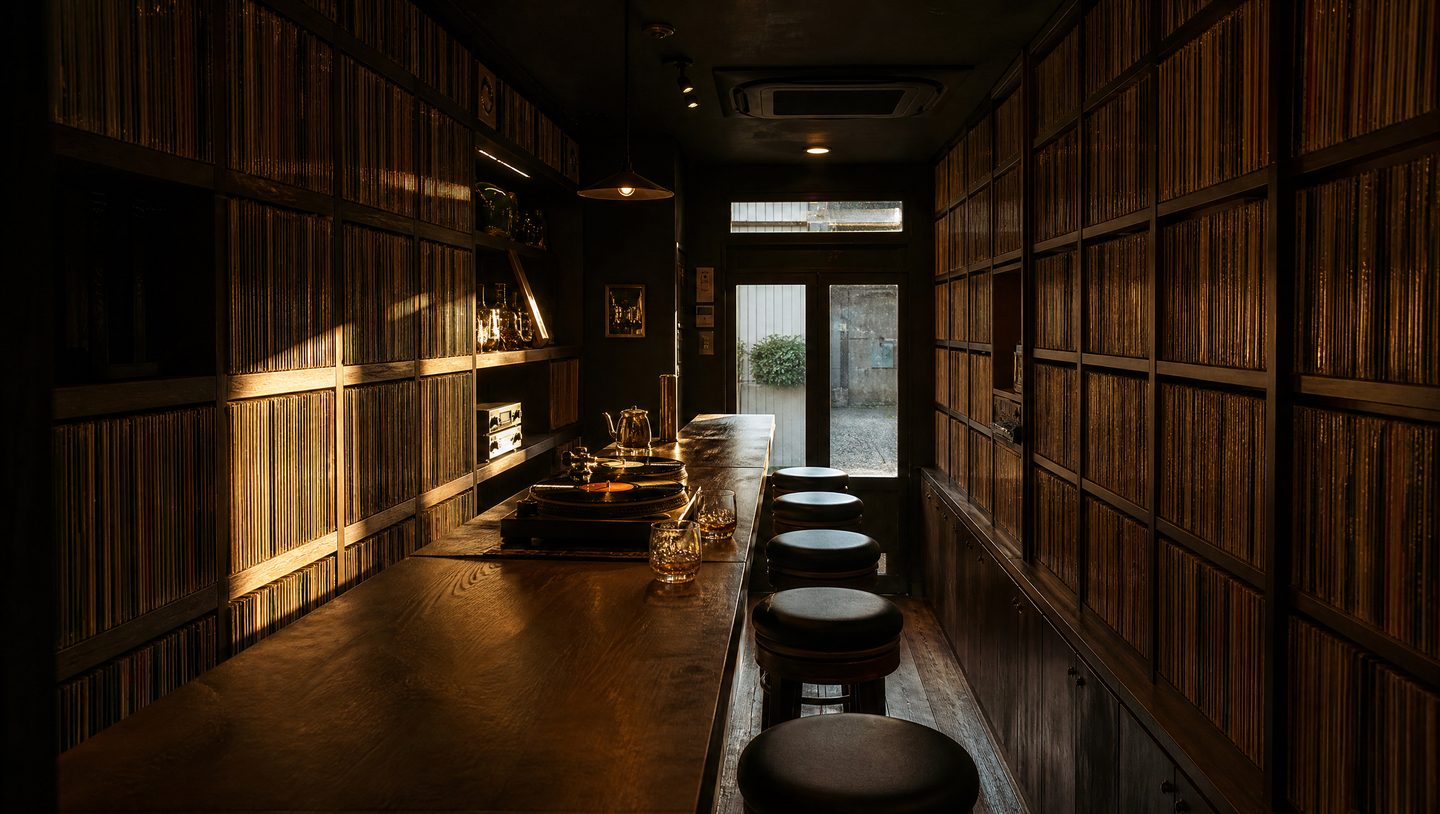
A narrow listening bar lined floor to ceiling with records, a turntable on the counter and low stools.
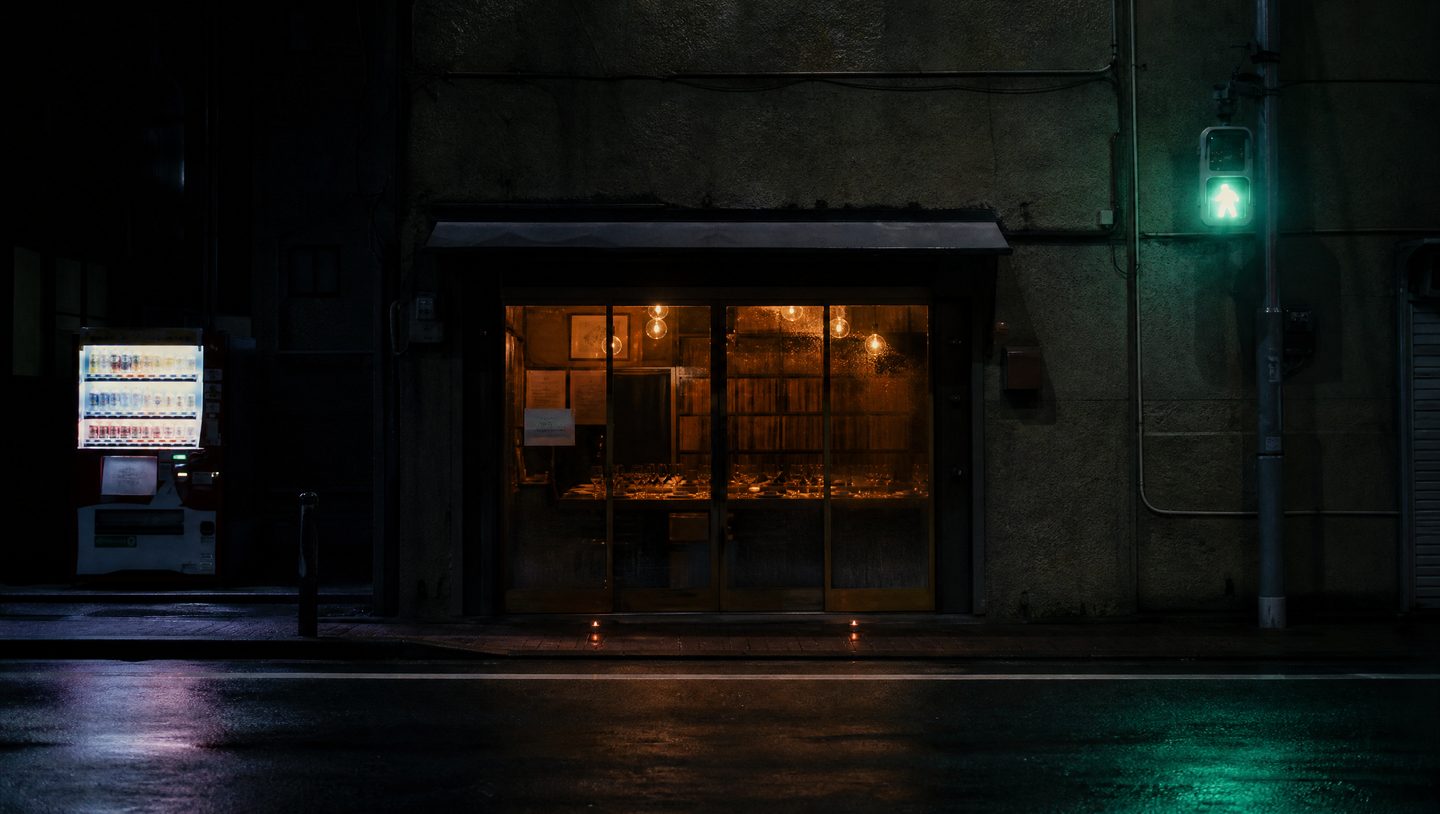
A lit restaurant window on a dark wet street at night, a vending machine to one side and a green crossing light.
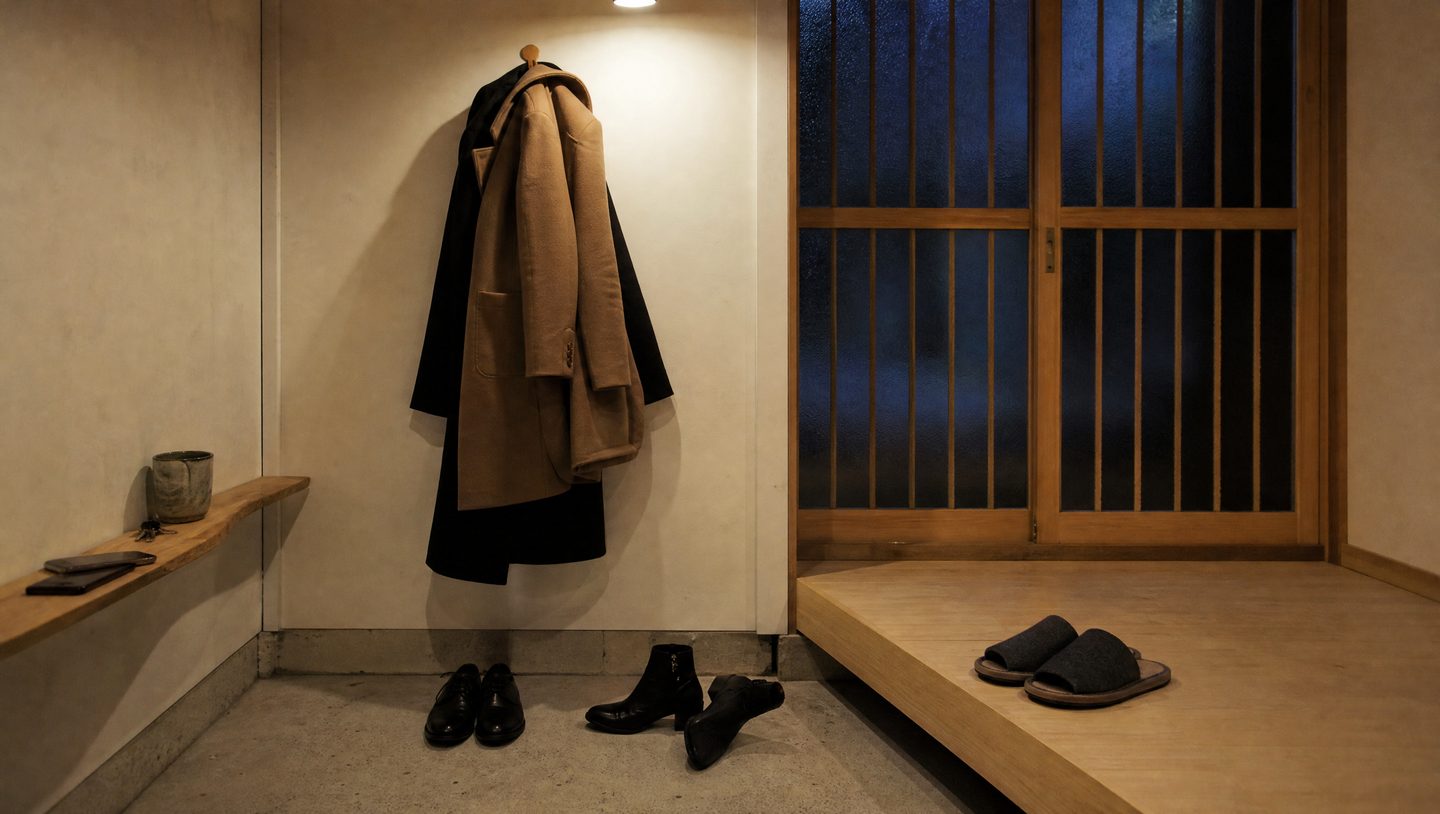
A Japanese entrance at night, two coats on one hook, his shoes and her boots side by side, slippers on the step.
Hot water poured slowly into coffee grounds in a cloth filter.
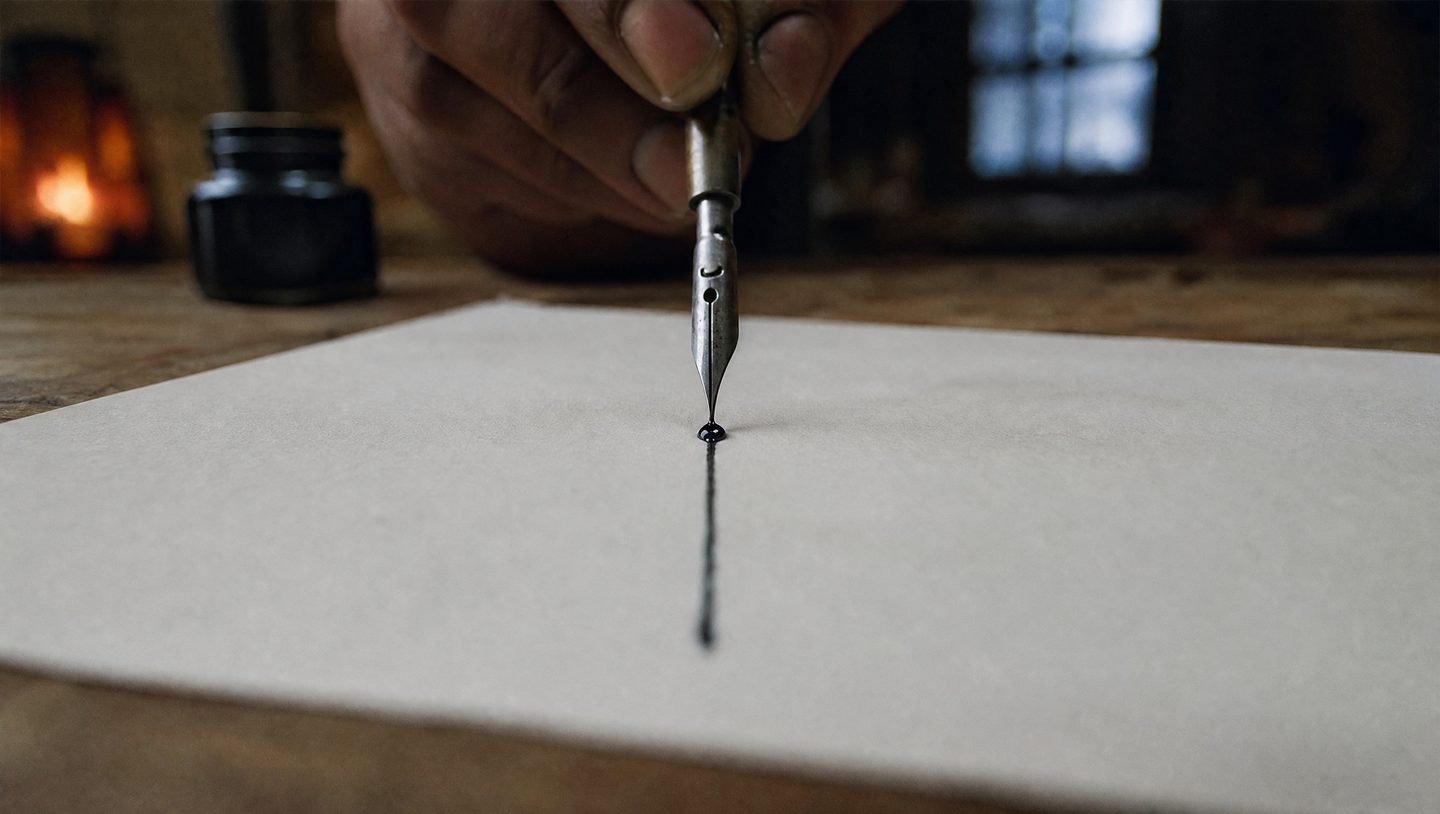
A hand draws one ink line down a sheet of paper with a dip pen, an ink pot and a fire behind.
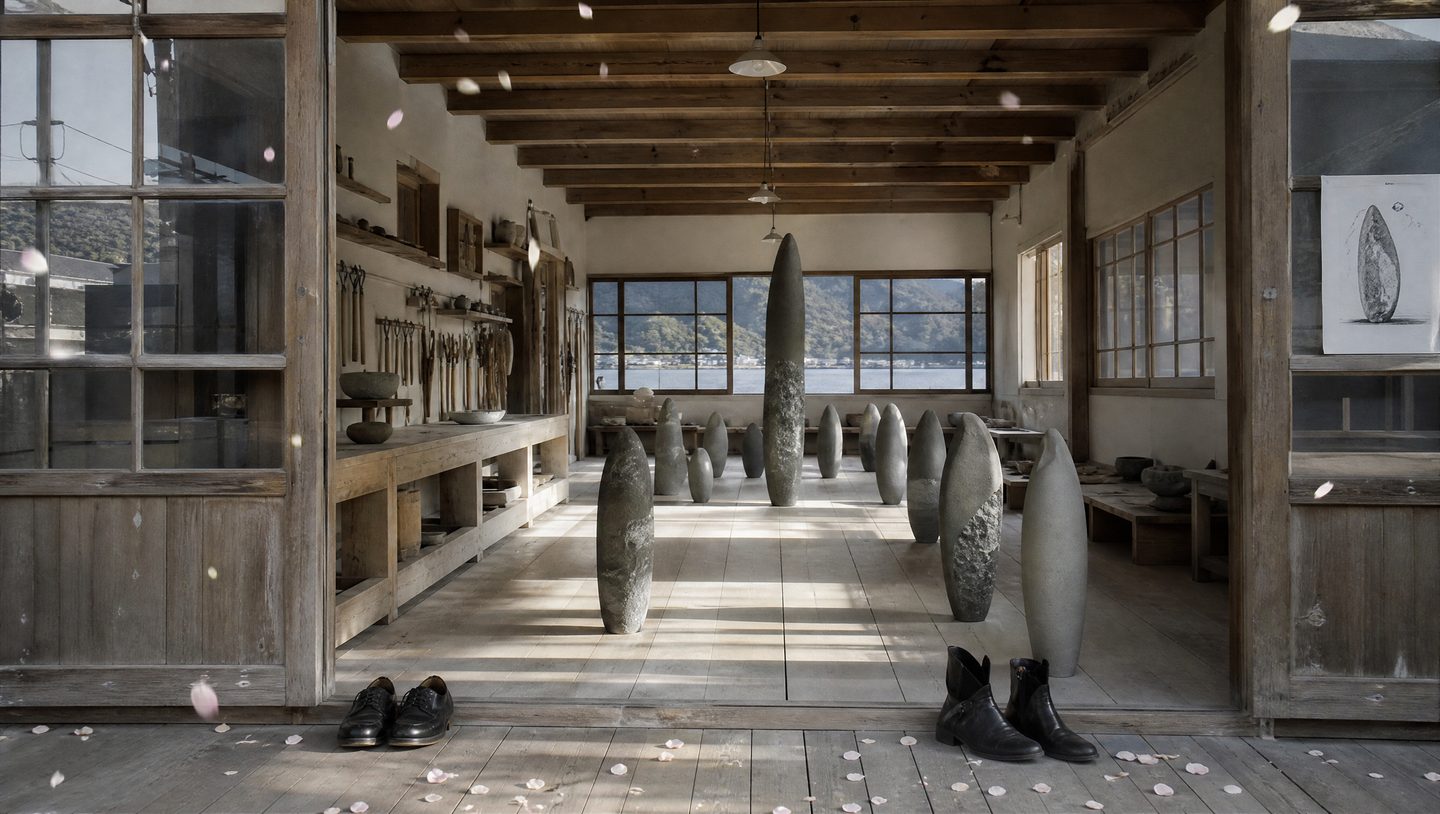
A sculptor’s studio by the water, tall carved stones on the floor and cherry petals blowing in through the open door.

Four winters

Four phrases from Japan’s cherry blossom season open the four movements, printed in Japanese and never translated.

  1. 01kaika yosōthe forecast
  2. 02kaika zensenthe front, moving north
  3. 03kaika machithe waiting
  4. 04kaika sengenthe declaration

From the writer

I am a Black American living in Berlin. I wrote a film about two Black Americans who left, and who found each other again a long way from home.

More of us are leaving every year. We are going to Lisbon, Accra, Mexico City, Tokyo, Berlin, and we are not always saying out loud what we left.

I wanted to make a film about what that actually feels like from the inside. Two people who have each found somewhere they can breathe, and who then have to decide whether the person is worth more than the air.

I also want to make this film because we are not making these right now. Cinema has gone to horror, and horror is doing extraordinary work. But there is a hunger for films that are warm on purpose, and there has been almost nothing in the lane that Moonlight and If Beale Street Could Talk and Queen & Slim opened a decade ago. Black love on screen deserves more than one register. This one is quiet, adult, funny, patient, and it happens entirely abroad.

In the last ten minutes I want an audience to feel warmth in the chest. I want them to slow down to the speed two people actually move at when they are falling, and to sit inside it without being told what it means. That is the whole ambition.

The film withholds comfort for three winters so that the fourth can give it back.

Maurice Grey, writer

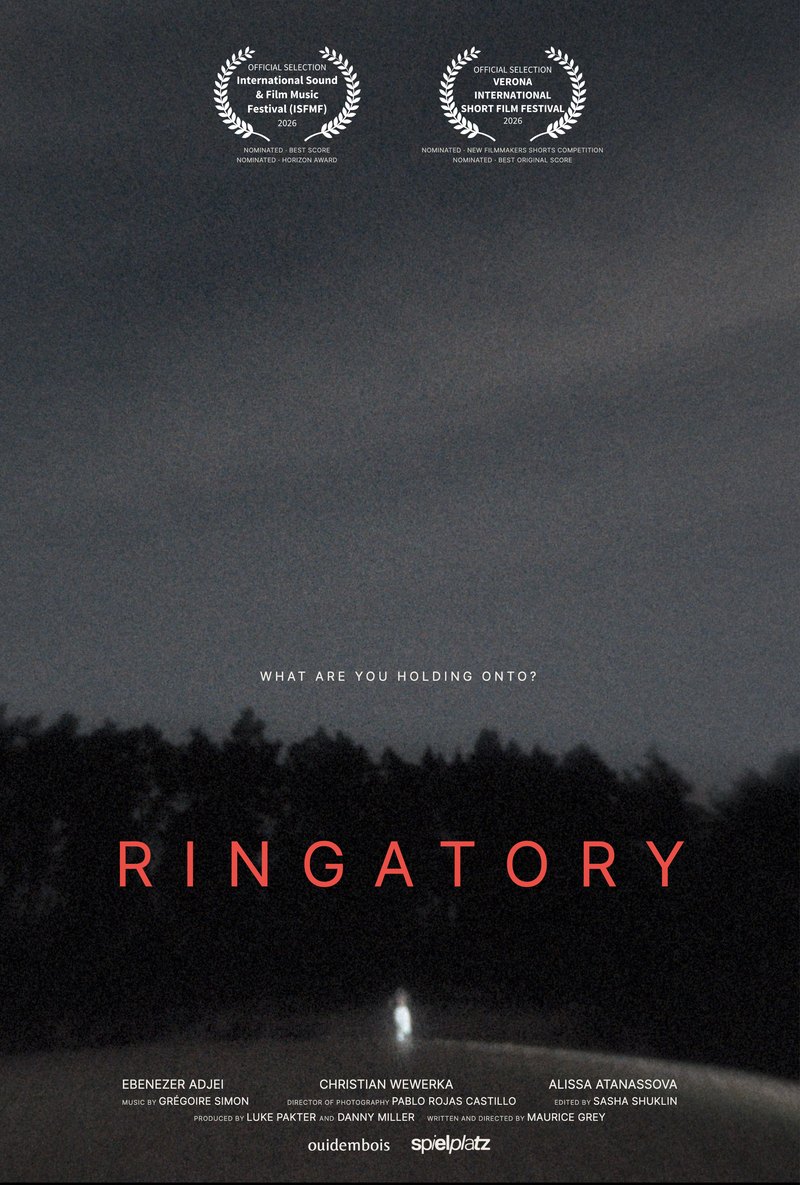
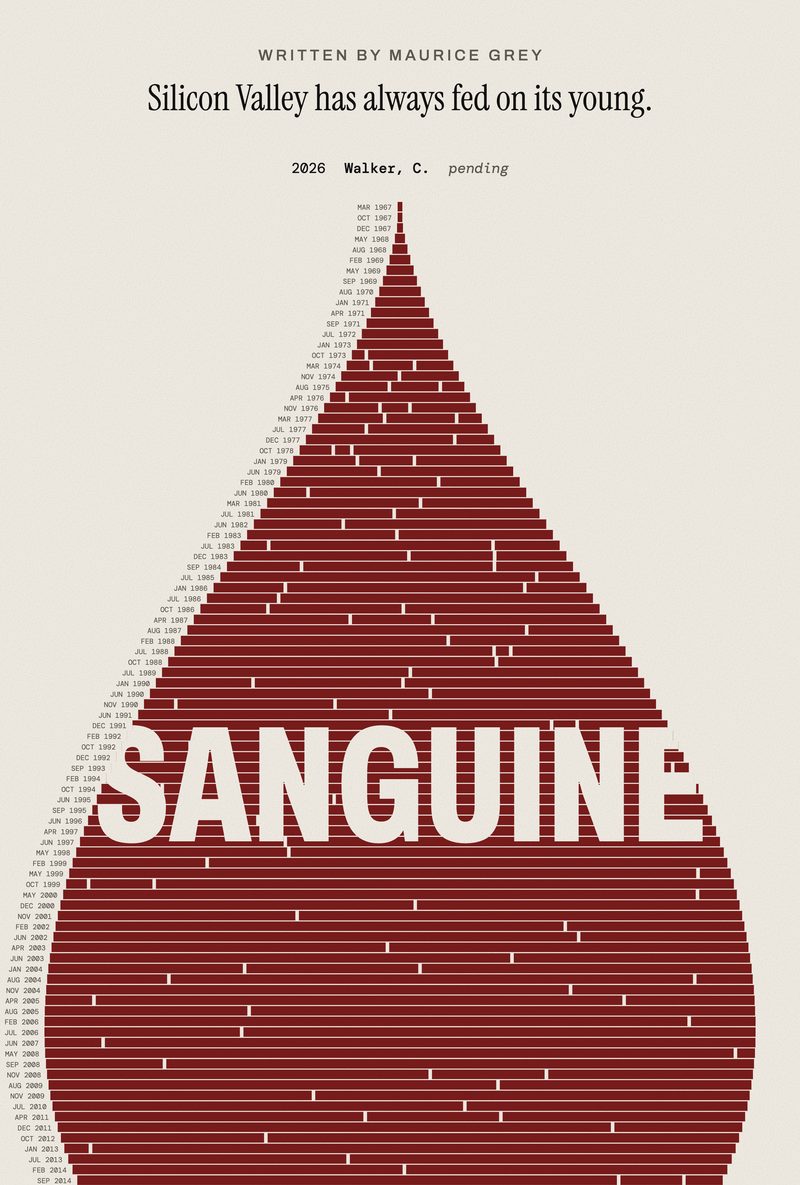
Also from ouidembois